.png)
Types of Retaining Walls: Pros, Cons, and Best Uses
Choosing the right type of retaining wall is one of the most important decisions in any retaining wall project. Different wall types vary in strength, appearance, lifespan, and cost. The right option depends on your property’s slope, soil conditions, drainage needs, and overall design goals.
This guide explains the most common types of retaining walls, how they work, and when each type is typically used.

What Are the Main Types of Retaining Walls?
Retaining walls are generally categorized by material and construction method. Each type has advantages and limitations that should be considered before installation.
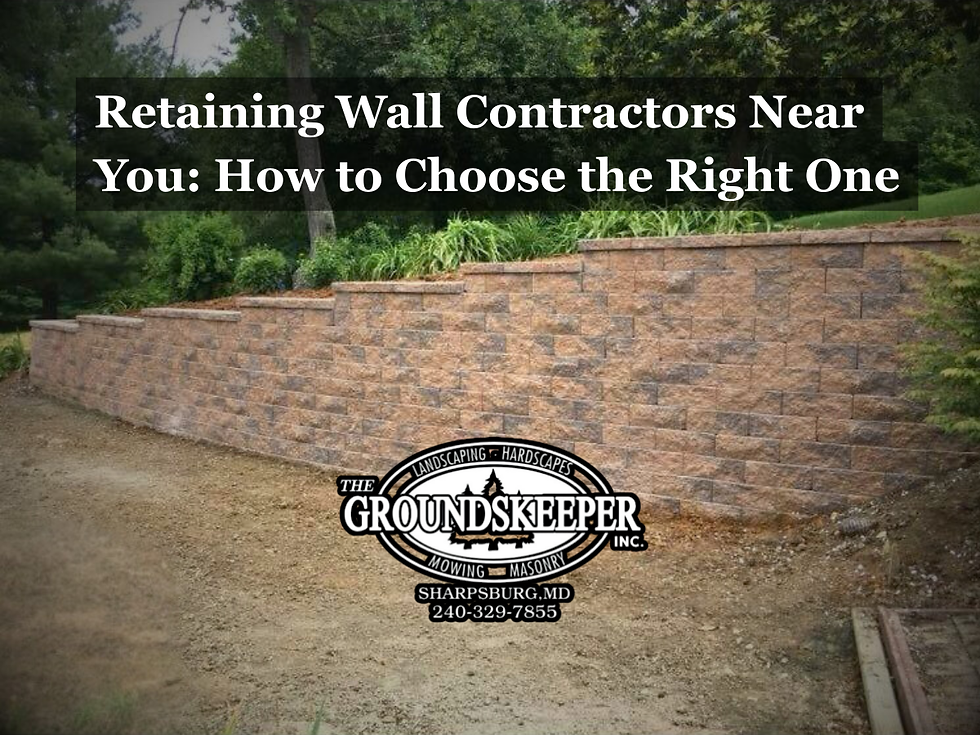
Segmental Block Retaining Walls
Segmental block retaining walls are one of the most popular choices for residential projects. These walls use interlocking concrete blocks designed specifically for retaining wall construction.
Pros:
Durable and long-lasting
Flexible design options
Engineered for proper drainage
Suitable for many residential applications
Cons:
Higher upfront cost than timber
Requires proper base preparation
Best for:
Sloped backyards
Landscape walls
Walls requiring consistent, clean lines
Natural Stone Retaining Walls
Natural stone retaining walls provide a timeless, high-end appearance. Stones are carefully placed and fitted to create a strong and visually appealing structure.
Pros:
Natural, premium look
Extremely durable when built correctly
Blends well with landscapes
Cons:
Labor-intensive installation
Higher cost
Requires skilled craftsmanship
Best for:
Decorative retaining walls
Garden and landscape features
Properties with natural stone elements
Timber Retaining Walls
Timber retaining walls are commonly used for smaller projects or budget-conscious installations. Pressure-treated wood is typically used.
Pros:
Lower initial cost
Faster installation
Works well for small garden walls
Cons:
Shorter lifespan
Susceptible to rot and moisture damage
Limited height capabilities
Best for:
Garden beds
Low retaining walls
Temporary or budget projects
Poured Concrete Retaining Walls
Poured concrete retaining walls are strong and highly durable. They are often used when additional structural support is required.
Pros:
Very strong and stable
Long lifespan
Can support taller walls
Cons:
Higher labor and material costs
Less flexible design options
Requires skilled installation
Best for:
Structural retaining walls
Areas with heavy soil pressure
Commercial or large residential projects
Boulder Retaining Walls
Boulder retaining walls use large natural stones stacked to create a rugged, natural appearance.
Pros:
Natural aesthetic
Strong and stable when properly placed
Minimal processing of materials
Cons:
Requires heavy equipment
Limited design precision
Higher installation complexity
Best for:
Natural landscapes
Erosion control
Large outdoor properties
How to Choose the Right Retaining Wall Type
When deciding between retaining wall types, consider:
Wall height and load requirements
Soil conditions and drainage needs
Desired appearance and landscape style
Budget and long-term maintenance
A professional contractor can help evaluate these factors and recommend the most appropriate wall type.
Final Thoughts
Understanding the different types of retaining walls can help you make informed decisions for your property. Each wall type offers unique benefits depending on the project requirements.
For best results, consulting with an experienced retaining wall contractor can help ensure the wall is designed and installed correctly for long-term performance.